New Orleans Artists Are Showing Up Where You'd Least Expect It—the Doctor's Office
Eliminating health inequities requires the help of the city’s greatest asset: its artists.
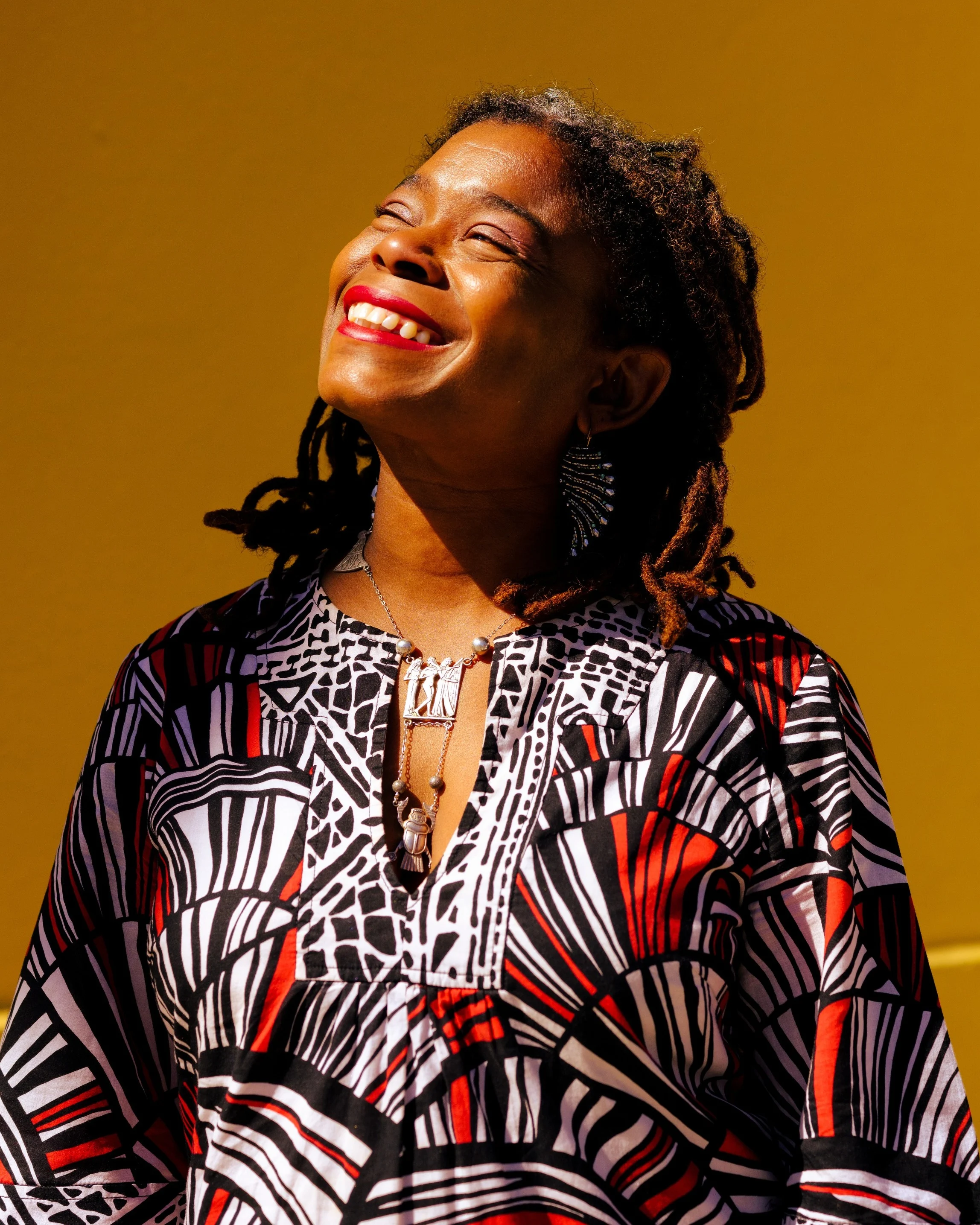
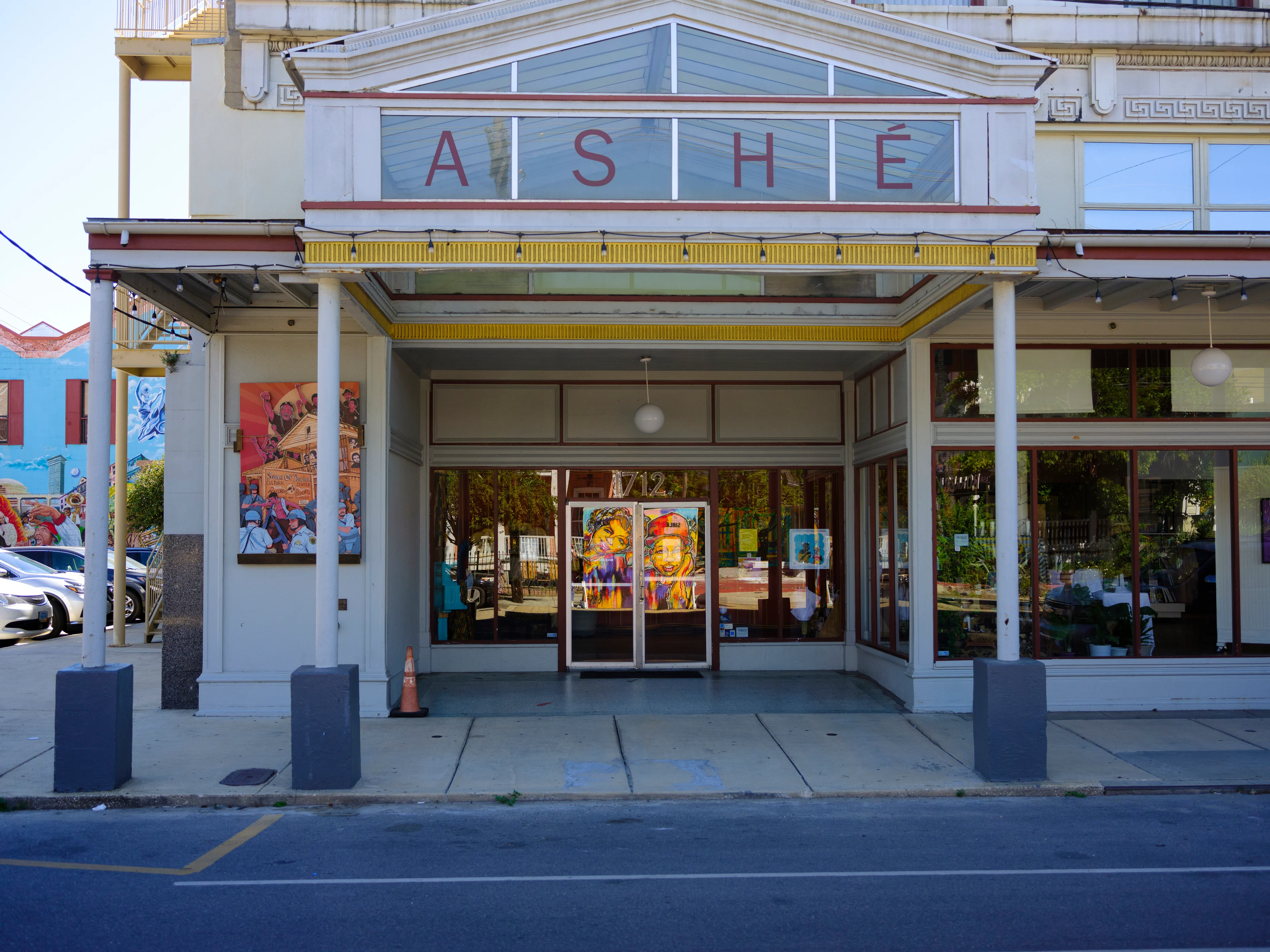
Asali DeVan Ecclesiastes was no stranger to the significance of Ashé Cultural Arts Center when she joined the non-profit as chief equity officer in January 2020. “This was the first place that paid me to write a poem in my early 20s,” says Ecclesiastes of the New Orleans non-profit organization that celebrated its 25th anniversary in 2023. “This is an organization that I have been around since its inception. I grew up alongside it.”
Ecclesiastes grew up in the city’s Seventh Ward before heading to Nashville to study English literature and education at Vanderbilt University. Later, she returned to her home city and embarked on a career in art and community programs. She organized the legendary Congo Square Artist Marketplace at New Orleans’ Jazz and Heritage Festival. She co-wrote Swimming Upstream, a play about life after Hurricane Katrina that was produced by V (formerly known as Eve Ensler). She also oversaw neighborhood development in the Claiborne Corridor and made her mark as an acclaimed poet and repeat contributor to TED Talks. And amidst her professional pursuits, Ecclesiastes raised five children.
A bona fide polymath, Ecclesiastes is driven by her commitment to and love for the history, culture, and people of her hometown—a city she justifiably calls “singular in terms of how much art and culture exists.” Her commitment is emblematic of Ashé’s core philosophy: to support and celebrate people who make art and the BIPOC communities that inspire it while simultaneously addressing longstanding racial and socio-economic inequities.
Chief Equity Officer, Ashé Cultural Arts Center
“There’s nothing about the structure of our DNA nor the content of our blood that is any different from anyone else’s.”
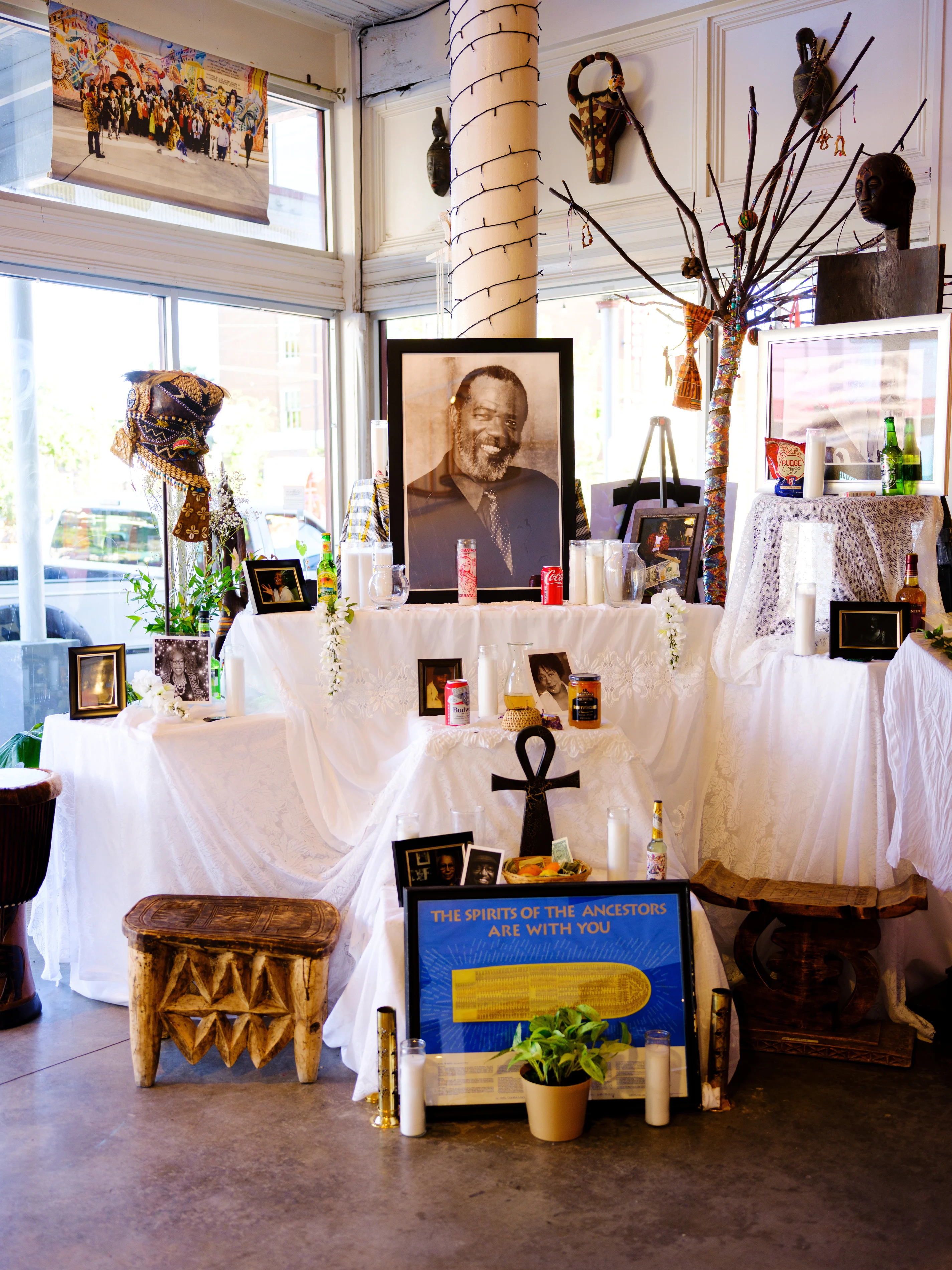
Founded in 1998 by writer Carol Bebelle (aka Mama Carol) and the late artist Douglas Redd (aka Baba Doug), Ashé creates an ever-evolving slate of opportunities for cultural engagement in the city’s most underserved and poorest zip codes.
Under Ecclesiastes’ watch, this has taken the form of I Deserve It!, a ground-breaking initiative that partnered with Tulane University School of Public Health, New Orleans East Hospital, among others, to train and employ local artists and performers to serve as community health workers in a city where health outcomes vary depending on the color of your skin. Before the COVID-19 pandemic, researchers from NYU found there was a 25-year gap in life expectancy depending on a person’s race and zip code in New Orleans. Since COVID-19, that chasm has grown wider nationally.
According to a study from research group KFF, the overall life expectancy in the US declined by 2.7 years between 2019 and 2021. The life expectancy for Black Americans declined by 4 years, Hispanic Americans 4.2 years, and American Indian and Alaska Native 6.6 years.
“None of these things are hereditary,” Ecclesiastes says adamantly. “They’re environmental. There’s nothing about the structure of our DNA nor the content of our blood that is any different from anyone else’s."
To redress this imbalance, I Deserve It! takes an approach that differs radically from the “treat ’em and street ’em” approach that dominates the social service and healthcare sectors says Avis Gray, Ashé’s leader of health equity and the former assistant chief nurse for the state of Louisiana. Indeed, the “It” in the organization's name is intended to encompass a broad spectrum of needs: safety, affordable housing, healthcare, food, community, education, art, and more.
I Deserve It! artists and culture makers sign a two-year contract to serve part-time as grassroots community health ambassadors in exchange for insurance and a full-time salary. Supported by an Ashé-coordinated network of nutritionists, nurses, and social workers, artists distribute health and wellness information at gigs, festivals, and second line parades. To encourage getting a vaccine or booster, they perform at vaccination sites-cum-celebrations where food is served, DJs spin records, and attendees leave with gift bags and balloons. They see to it that community members can access doctors, and often accompany them to appointments.
“Basically, you’re working as a translator,” says Stafford Agee, a trombone player with the Grammy-winning Rebirth Brass Band and a Mardi Gras Indian. His I Deserve It! docket includes working with one 84-year-old diabetic. “I help him navigate going to the doctor and understanding the lingo of what they’re saying—understand what he has to do with the medication. He doesn’t know what questions to ask, and you’re navigating him through understanding what it is he has an appointment for.”
For Agee and other musicians who rely on gigs to make ends meet, participation in I Deserve It! has been a godsend, especially after they lost wages due to pandemic-related closures and cancellations.
More than that, I Deserve It! plays a vital role in the healthcare ecosystem, since, as Agee says, “people don’t really trust doctors.”
That is no surprise, says Eccelsiastes, citing data from the Claiborne Corridor Study, a health impact research project conducted by the U.S. Environmental Protection Agency and the LSU School of Public Health in 2019. “People just really felt like they didn’t deserve access to care because they’re poor. They didn’t expect to be treated well,” she says. They didn’t expect to be listened to about the experiences of their own body. They didn’t understand the jargon being used with them, and so they didn’t feel comfortable enough to ask questions. Why would you trust what continually fails you?” she asks. “Who folks do trust and hold in esteem and look up to for social guidance are the artists and culture bearers—the people in the community who make music, who make Indian suits, who are chefs and culinary artists or poets, spoken word artists, singers."
Poet, Performance Artist and Activist
“Caring for the culture also means caring for the people that make it up.”
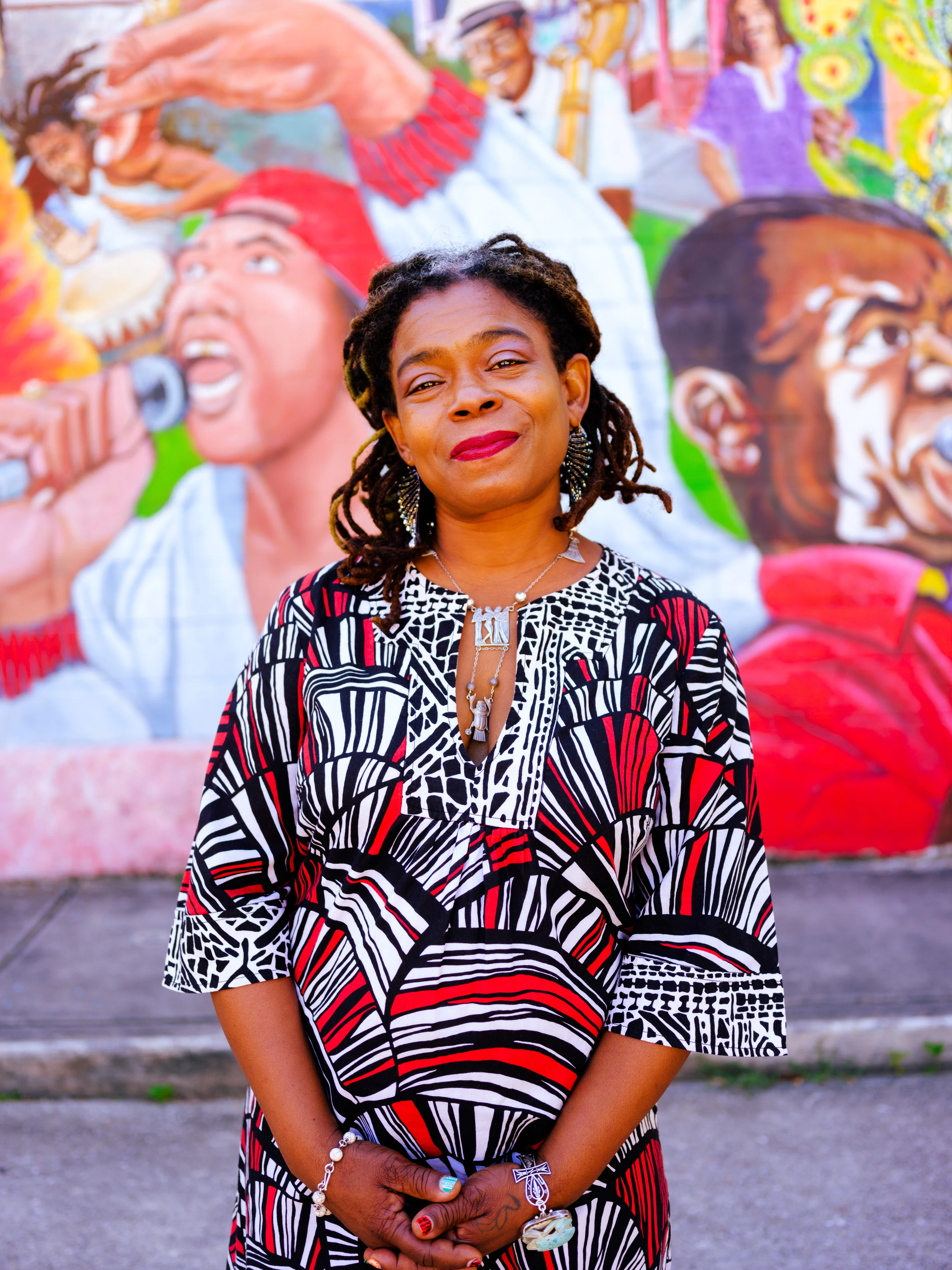
Sunni Patterson, a poet, performance artist, and community activist hired by I Deserve It! in 2021, is among them.
“Caring for the culture also means caring for the people that make it up,” says Patterson. “Caring for people that are blowing the horns, that are sewing feathers and plumes and beads, and knowing that he walked however many miles and he has asthma, second lining all these birthdays and still can't pay the light bills.”
It means both communicating through the cultural vernacular of the city—through the food, art, and music that make New Orleans unique—as well as speaking to one another as equals.
“It's got to be in that respectful language of culture,” says Gray. “We start with the New Orleans, ‘How you doing? How your momma'nem? You live in the Ninth Ward? What school you went to?’”
The flip side—learning how to listen—is also essential. Patterson, who grew up in New Orleans’ Ninth Ward, is keenly aware of what is left unsaid in any exchange, especially at I Deserve It! events.
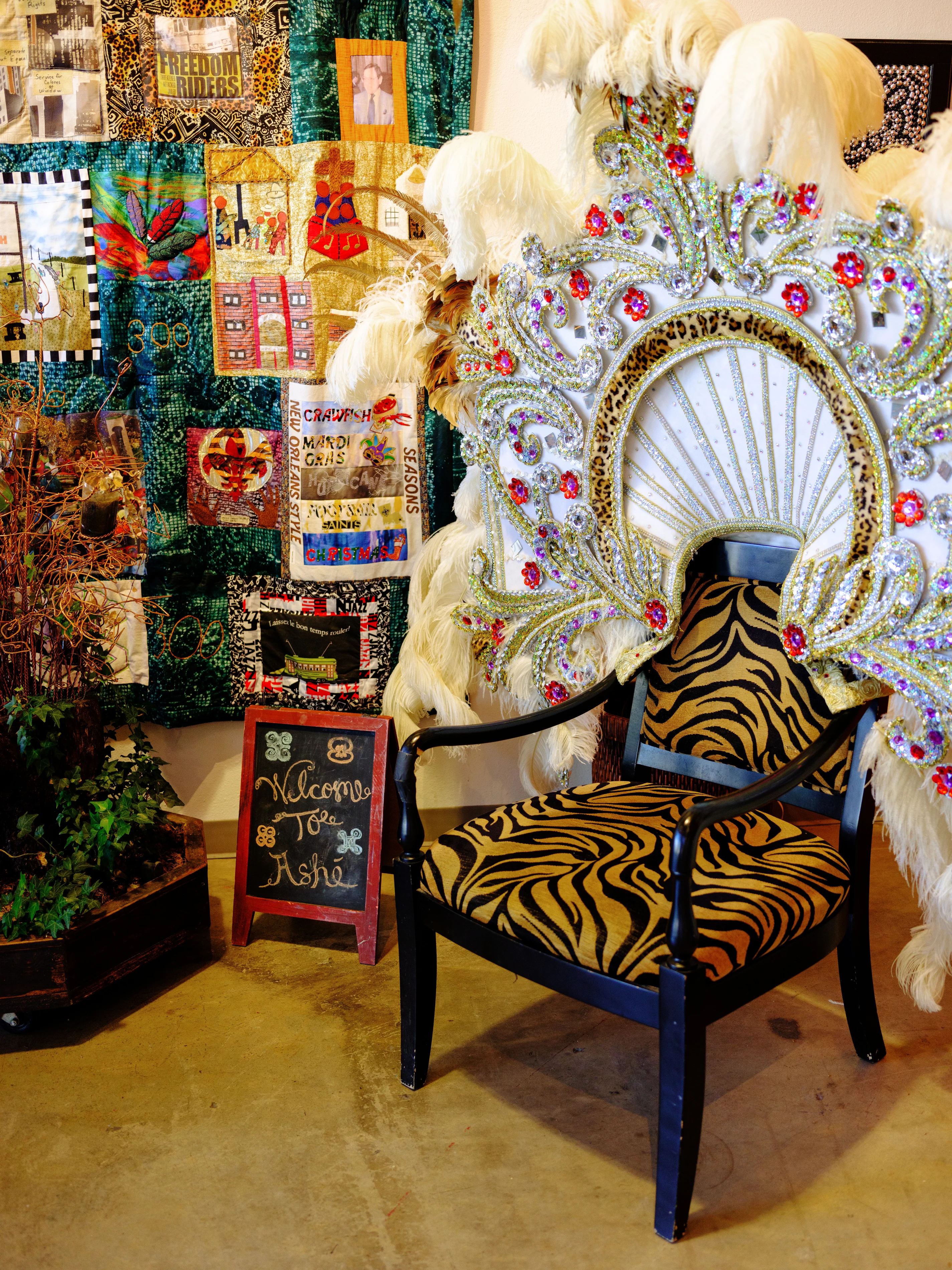
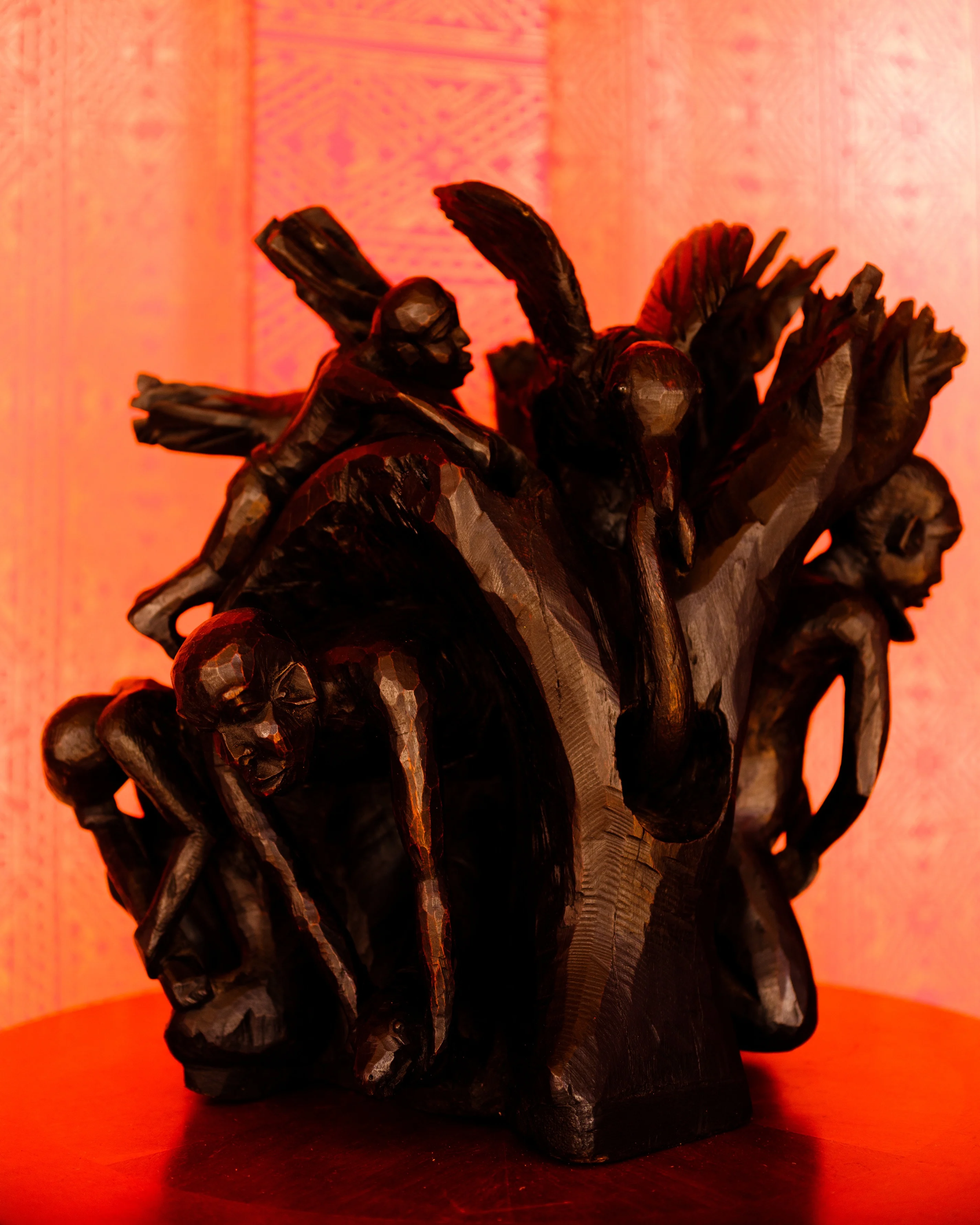
A traditional plate of red beans and rice may “open doors up to conversation,” she says. “It goes to maybe this person needs someone to talk to. This person may just need activities that we can provide, and here’s a list of organizations that are doing senior activities.”
Patterson is emphatic that her job is not to be prescriptive. She does not tell people what to do to improve their health.
“We honor everyone’s sovereign ability to make a decision for themselves,” she says. “When we go into a community with food, we don’t demand you got to change your diet. We say, ‘Here is another pot of red beans with no meat in them, and you can take some.’ It’s about going into communities and asking, ‘What is the need? Is there something that I can help with? What can I do to help weave this thread of relationships to help us expand community, so you’re not alone?”
“I’m big on this radical idea of what it means to imagine something new,” Patterson continues. “What does it feel like when you are moving at optimal levels? When you say, ‘Damn, I feel good today.’ Can we recreate that moment? You deserve to feel those moments.”
Since I Deserve It! launched in 2020, Ashé has opened the I Deserve It! Wellness Hub in collaboration with the New Orleans East Hospital, expanding the program to provide regular health care to a larger number of people. The Wellness Hub's team—still made up of musicians, artists, and influencers—provides connections to trusted health care providers, essential resources, and personalized wellness plans, continuing to provide care for many of New Orleans' most vulnerable residents.
Grant insight
Efforts of Grace, Inc.
Efforts of Grace, Inc., the legal name for Ashé Cultural Arts Center based in New Orleans, Louisiana, was awarded $300,000 in December 2017 and 2020, $600,000 in December 2022, and $1,000,000 in 2025 through Mellon’s Arts and Culture grantmaking area.
View grant details