February 13, 2024
Introducing the Inaugural ‘Writing Freedom’ Fellows
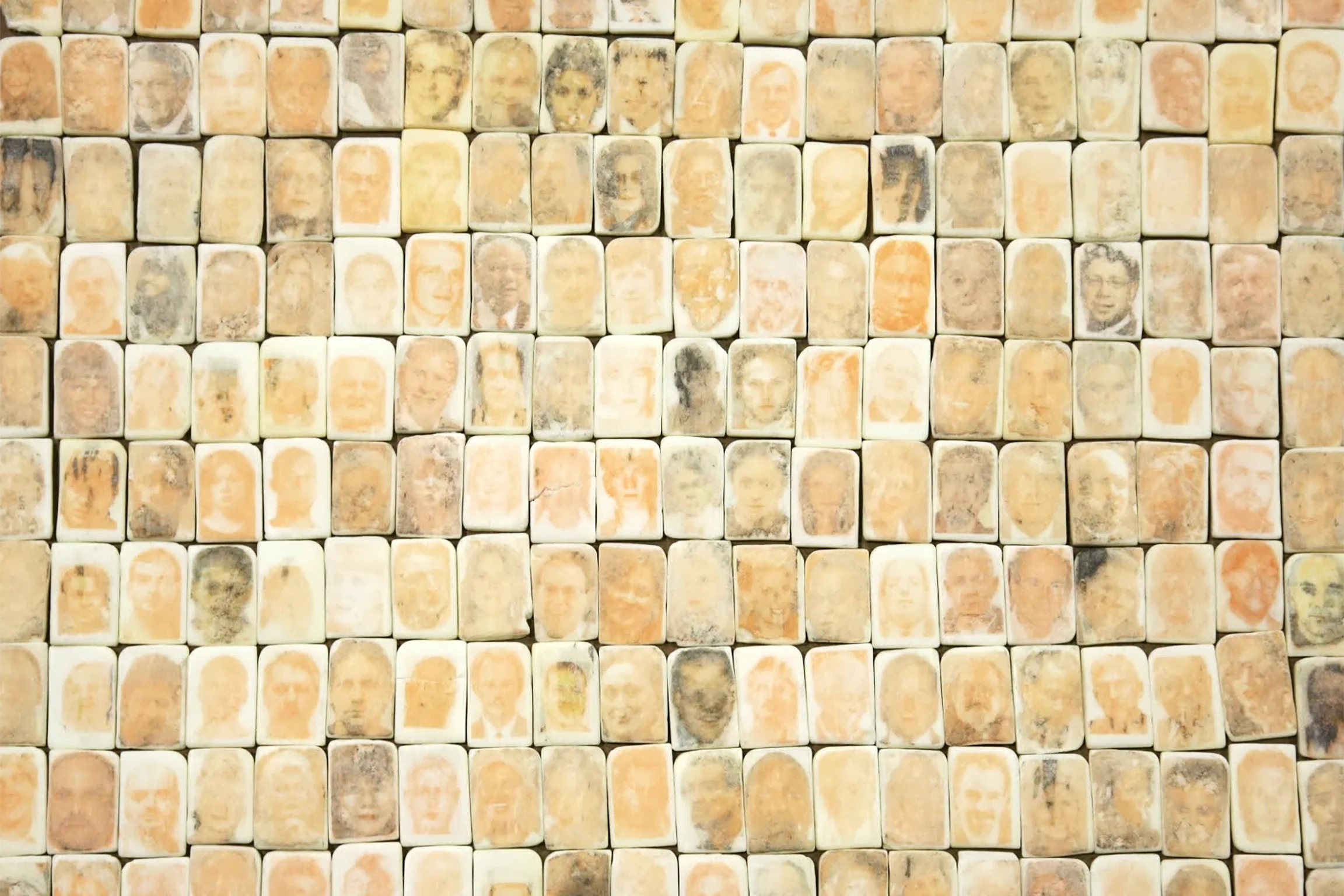
Imagining Freedom supports artistic and humanistic work that centers the voices and knowledge of people who have experienced the impacts of incarceration. The arts and humanities have unique power to interrupt the narrative and cultural forces upholding the criminal legal system and counteract its most enduring, least visible impacts. As one of the Foundation’s core Presidential Initiatives, Imagining Freedom exemplifies our vision to support artistic, cultural, and humanities work as conduits for understanding.
Nearly half of American adults have a relative who has spent time in jail or prison; about 20 percent of children have a parent who is or has been incarcerated.
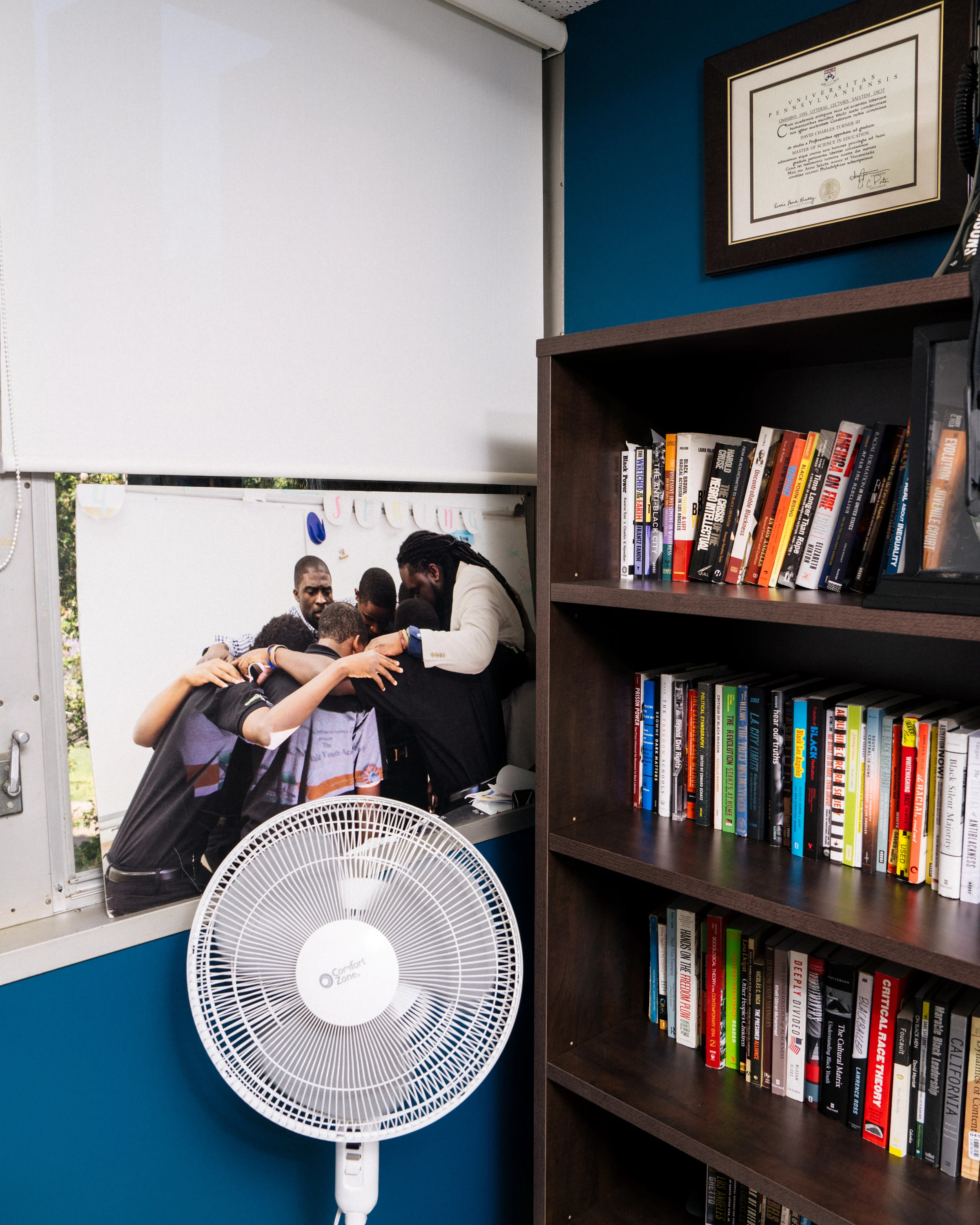
The US criminal legal system dehumanizes, silences, and isolates the tens of millions of people whose lives it touches. By design, it systematically prevents them from leading full civic, creative, and intellectual lives and deprives the public of their voices and perspectives. We cannot understand who we are as a country if we don’t listen to all of the voices that make up our interdependent communities. Through our grantmaking we seek to:
1. Advance the participation of system-impacted people in intellectual and creative communities. We support fellowships and residencies for system-impacted artists, writers, and other cultural workers to cultivate their practices, grow their leadership capacity, and build supportive community—regardless of whether their works focus on the criminal legal system.
“We create a space for artists and advocates to be in community with each other… freedom and liberty to think, to strategize, to dream and imagine.”
2. Support the creation and circulation of exemplary scholarly, archival, artistic storytelling, and other cultural work, that examines the experience of people who have been impacted by carceral systems, as well as the history and present of the systems themselves. This can take many forms, including:
3. Broaden access to literature, library resources, and humanities-based learning communities within carceral settings to counter the intellectual and cultural deprivation caused by incarceration. We make grants to support partnerships with public libraries and other entities that provide broad access to books and research materials within prisons, as well as inside/outside collaborations involving communities of rigorous ongoing learning (e.g., study groups) and humanities-based learning materials.


Imagining Freedom is a multi-year initiative. Although the Foundation occasionally releases targeted requests for projects that further the reach of the initiative, most proposals are accepted by invitation only.
While we recognize the value of many projects, the following fall outside the scope of the initiative:
Please see Mellon’s Higher Learning grantmaking strategies for credit-bearing, degree-granting higher education in prison programs.